

Sewer Scope Home Inspections
Sewer line inspections protect the health of your home and your family
Superior Sewer Line Inspections of Your Home
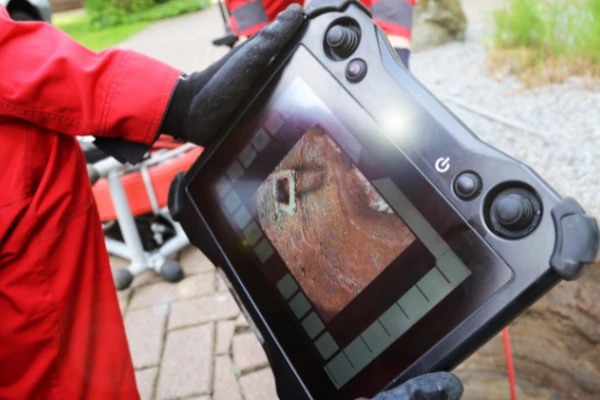
Repairs can range from $400 to remove clogs to $10,000+ for excavation and replacement. A quality sewer inspection of your home is recorded on a video feed, which you and the inspector will watch during the procedure or afterward. The inspector will show you where the damages or cracks are and explain next steps.
Common Issues
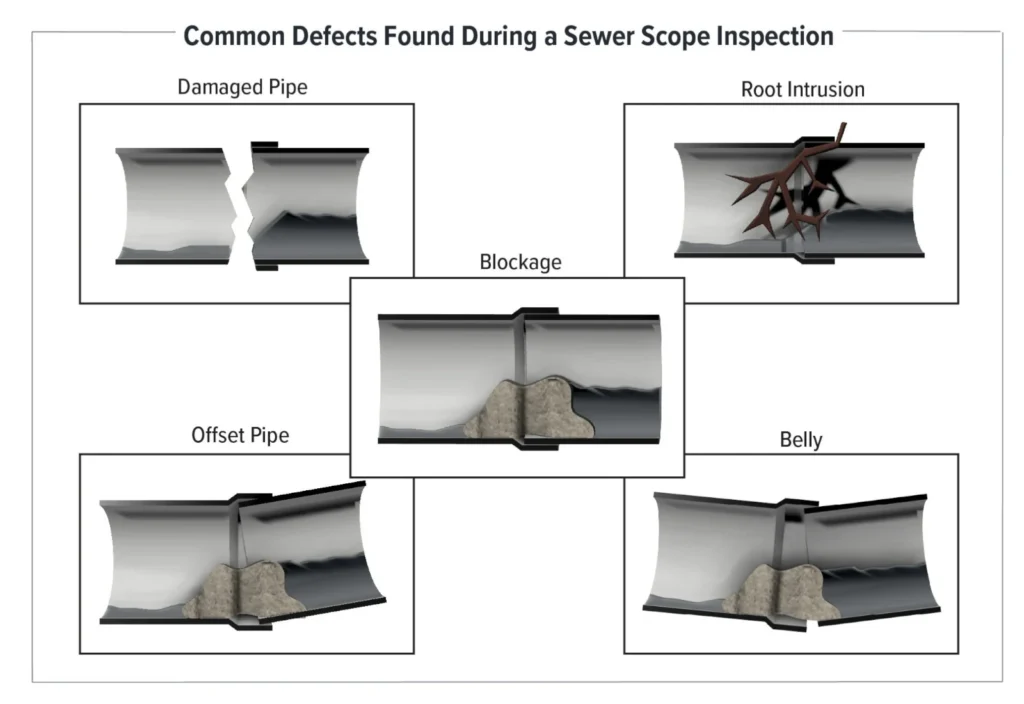
- Cracks or imperfections in the line
- Blockages or clogs
- Roots growing
- Low areas in the drain (bellying)
- Separation or failure of the line
- Type of material used for the line (concrete, clay, etc.)
- Issues with the septic tank
When Buying A Home
We recommend getting a sewer scope inspection whenever you are purchasing a home, especially when the home is an older home.
- Older homes are more likely to have sewers that are degraded and damaged. Newer homes can have issues as well like construction debris and trash in the sewer line restricting drainage.
- New construction homes may have debris such as small pieces of wood and drywall debris in sewer drain lines. Drain lines can become separated and damaged during the back filling of the trench in which the sewer drain was placed.
Schedule Your Sewer Inspection – Call 281-342-5762
Health Risks From Sewers
- Bacteria Infections
- Fungal Infections
- Parasites
- Viruses
- Harmful Gases
- Mold
Structural Damage
Damaged sewers can also cause structural damage to your home. For example, if your sewer is leaking under your home, the home could shift.
Settling drainage pipes can be a sign of home settling and shifting as well.
Signs You Need A Sewer Scope Inspection
Water Back Ups – This could indicate damage or breakage to the sewer line, or a significant clog. We often find debris inside the sewer pipe. This debris is commonly cotton “flushable” wipes that should never have been flushed down the toilet. We have also found solid food waste, personal items, and construction debris. Houses that have uncapped sewer line pipes near the house often have a significant number of small rocks in the pipe since children enjoy dropping rocks into pipes. All of these things that are found in pipes lead to clogs and other issues that are listed here.
Large Trees & Roots – One of the most common causes of sewer pipe damage is the growth of roots around the pipe. Roots can grow around and constrict the pipe, breaking it, or grow into small cracks in the pipe, clogging it or causing leaks.
Older Homes – Older homes are more likely to have sewers that are degraded and damaged.
Structural Movement– If the soil around a house seems to have shifted, the pipe may have been affected. If it has moved, it could have broken or become bent and damaged, which may require a costly repair.